Tools That Strengthen Recovery Outcomes
Explore our curated collection of evidence-based tools, training programs, and partner resources designed to support recovery capital development, service excellence, and sustainable outcomes. Whether you're a provider, peer, or policymaker, we've gathered everything you need to put recovery science into action.
Training
Training
On-Site Training: Workforce Development for Recovery-Focused Systems
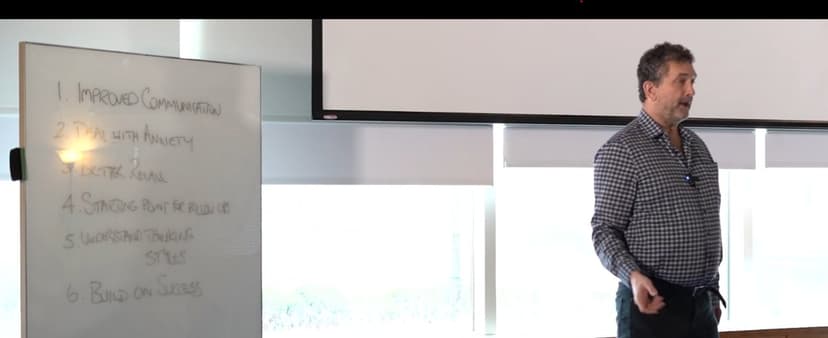
Bring Recovery Capital training directly to your organization, conference, or network. Our expert trainers will deliver a customized in-person session designed to strengthen your team’s ability to understand, measure, and apply Recovery Capital Models with our expert-led learning experiences.
- Contact us to discuss pricing and availability.

Training
Online Course: Recovery Capital 101
Coming soon: join the waitlist for early access.
Our on-demand course will give you flexible, self-paced access to everything you need to know about Recovery Capital: where it came from, what it is, why it matters, and how to use it to support long-term stable recovery and improve outcomes.
Duration: 16 Hours
Format: Online, Self-Paced

Training
Virtual Training: Foundations of Recovery Capital
Coming soon: join the waitlist for early access.
Strengthen your team's ability to understand, measure, and apply Recovery Capital with our expert-led learning experiences. Join us for an interactive, instructor-led virtual workshop that introduces your team to the principles and practice of Recovery Capital. Through discussion, real-world examples, and guided application, participants will explore the REC-CAP model and learn how to begin integrating it into their work. Delivered live via Zoom. Ideal for program staff, peer leaders, peers, and clinical teams. Includes guided session for up to ten participants.
Duration: 4 Hours
Format: Online, Instructor-Led
Books

Book
Macrocriminology and Freedom (Peacebuilding Compared)
How can power over others be transformed to ‘power with’? It is possible to transform many institutions to build societies with less predation and more freedom. These stretch from families and institutions of gender to the United Nations. Some societies, times and places have crime rates a hundred times higher than others. Some police forces kill at a hundred times the rate of others. Some criminal corporations kill thousands more than others. Micro variables fail to explain these patterns. Prevention principles for that challenge are macrocriminological. Freedom is conceived in a republican way as non-domination. Tempering domination prevents crime; crime prevention reduces domination. Many believe a high crime rate is a price of freedom. Not Braithwaite. His principles of crime control are to build freedom, temper power, lift people from poverty and reduce all forms of domination. Freedom requires a more just normative order. It requires cascading of peace by social movements for non-violence and non-domination. Periods of war, domination and anomie cascade with long lags to elevated crime, violence, inter-generational self-violence and ecocide. Cybercrime today poses risks of anomic nuclear wars. Braithwaite’s proposals refine some of criminology’s central theories and sharpen their relevance to all varieties of freedom. They can be reduced to one sentence. Strengthen freedom to prevent crime, prevent crime to strengthen freedom.
$60.16
Learn More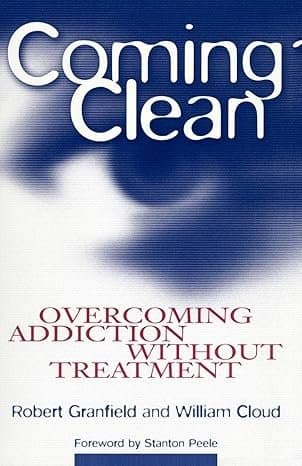
Book
Coming Clean: Overcoming Addiction Without Treatment
Untold stories of people with substance addictions who have recovered without formal treatment
Despite the widely accepted view that formal treatment and twelve-step groups are essential for overcoming dependencies on alcohol and drugs, each year large numbers of former addicts quietly recover on their own, without any formal treatment or participation in self-help groups at all.
Coming Clean explores the untold stories of untreated addicts who have recovered from a lifestyle of excessive and compulsive substance use without professional assistance. Based on 46 in-depth interviews with formerly addicted individuals, this controversial volume examines their reasons for avoiding treatment, the strategies they employed to break away from their dependencies, the circumstances that facilitated untreated recovery, and the implications of recovery without treatment for treatment professionals as well as for prevention and drug policy.
Because of the pervasive belief that addiction is a disease requiring formal intervention, few training programs for physicians, social workers, psychologists, and other health professionals explore the phenomenon of natural recovery from addiction. Coming Clean offers insights for treatment professionals of how recovery without treatment can work and how candidates for this approach can be identified. A detailed appendix outlines specific strategies which will be of interest to addicted individuals themselves who wish to attempt the process of recovery without treatment.
$30.00
Learn More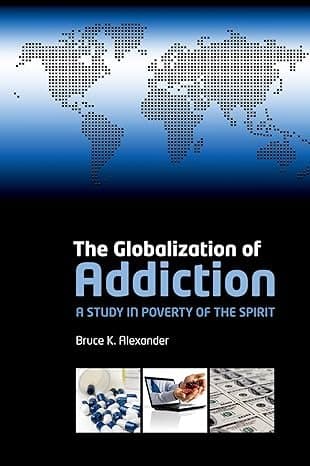
Book
The Globalization of Addiction: A Study in Poverty of the Spirit
The Globalization of Addiction' presents a radical rethink about the nature of addiction.
Scientific medicine has failed when it comes to addiction. There are no reliable methods to cure it, prevent it, or take the pain out of it. There is no durable consensus on what addiction is, what causes it, or what should be done about it. Meanwhile, it continues to increase around the world. This book argues that the cause of this failure to control addiction is that the conventional wisdom of the 19th and 20th centuries focused too single-mindedly on the afflicted individual addict. Although addiction obviously manifests itself in individual cases, its prevalence differs dramatically between societies. For example, it can be quite rare in a society for centuries, and then become common when a tribal culture is destroyed or a highly developed civilization collapses.
The book argues that the most effective response to a growing addiction problem is a social and political one, rather than an individual one. Such a solution would not put the doctors, psychologists, social workers, policemen, and priests out of work, but it would incorporate their practices in a larger social project. The project is to reshape society with enough force and imagination to enable people to find social integration and meaning in everyday life. Then great numbers of them would not need to fill their inner void with addictions.
$58.00
Learn More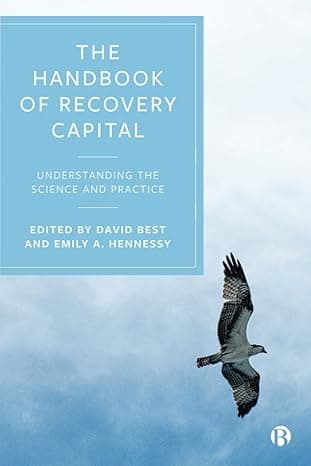
Book
The Handbook of Recovery Capital: Understanding the Science and Practice
This book brings together all the existing evidence on recovery capital measurement and its application to addiction recovery, and is the ‘go to’ book on this topic for researchers, policy makers, practitioners and people in recovery.
$38.50
Learn More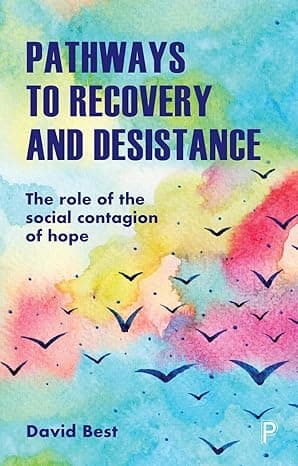
Book
Pathways to Recovery and Desistance: The Role of the Social Contagion of Hope First Edition
Available Access under CC BY NC license. This is the first book that uses the latest research evidence to build guidance on community-based rehabilitation with the aim of challenging stigma and marginalisation. The case studies discussed, and a strengths-based approach, emphasize the importance of long-term recovery and the role that communities have to play in preventing problematic substance use, methods for community growth, offers sustainable ways of promoting social inclusion and puts forward a new drug strategy and a new reform policy for prisons.
$34.77
Learn MoreNeed Help Choosing?
Our team is here to help you find the right training program or materials for your needs